Revolutionize Your Outdoor Environment with Expert Artificial Grass Installation Services
Updating outdoor spaces with synthetic turf has become a sensible option for many property owners. This approach delivers a lush, verdant landscape without the constant demands of natural grass. The setup procedure is uncomplicated, yet knowing the nuances can make a substantial difference. Reviewing the advantages and considerations of this option demonstrates corresponding information much more than mere aesthetics. What elements should one consider before making such a change?
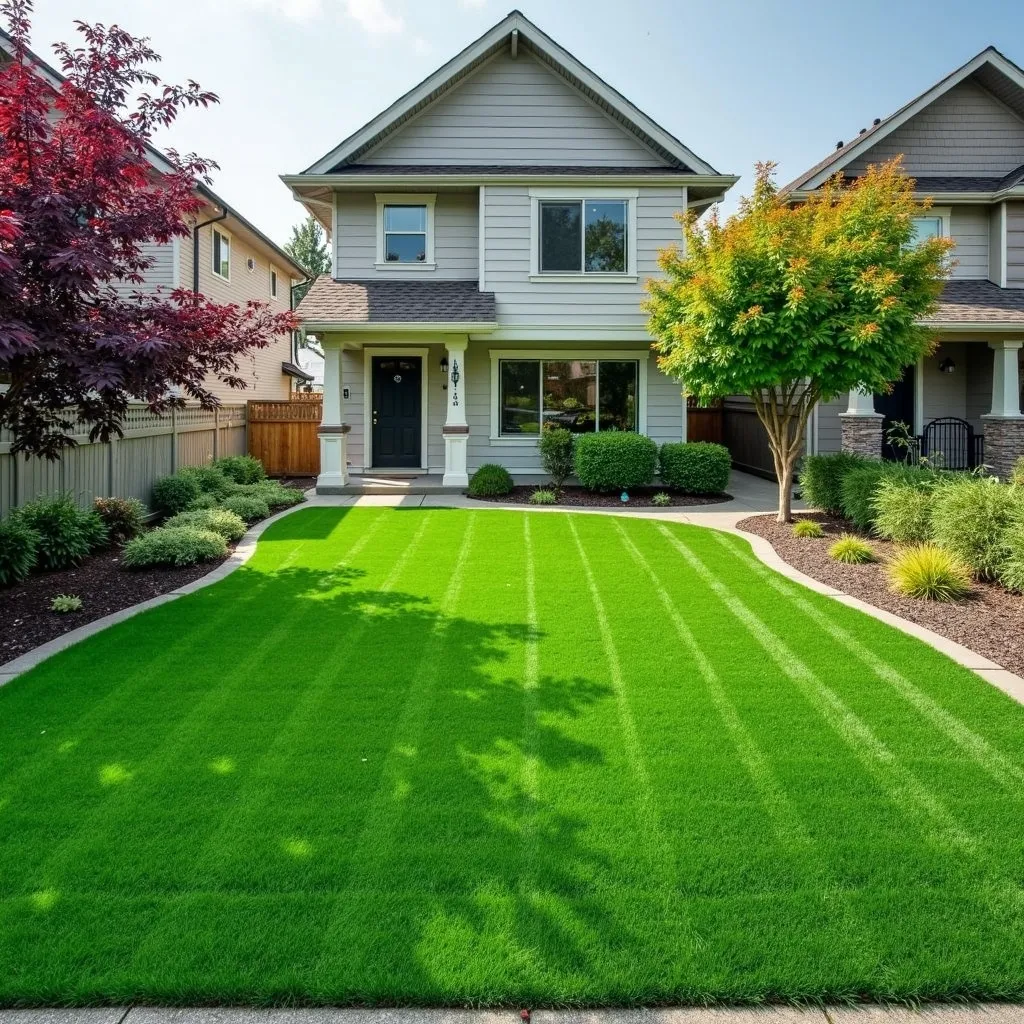
Why You Should Replace Your Lawn With Artificial Grass
Many property owners are increasingly opting to swap their natural lawns with artificial grass due to its numerous benefits. One of the primary benefits is the substantial reduction in maintenance time and costs. Unlike natural grass, artificial turf does not require frequent mowing, watering, or fertilizing, allowing homeowners to save on both labor and resources. Additionally, artificial grass remains lush and green year-round, providing a continually appealing aesthetic regardless of the weather.
Additionally, synthetic lawn is eco-friendly, as it eliminates the requirement for harmful pesticides and herbicides. It also conserves water, a essential concern in many regions experiencing drought. The resilience of artificial grass guarantees that it can withstand heavy foot traffic, making it perfect for families with children and pets. Ultimately, the decision to install synthetic lawn can result in a more green, lovely, and trouble-free outdoor space.
Items to Understand During Setup?
During the installation of synthetic turf, property owners can expect a systematic and efficient process that converts their outdoor space. Initially, the installation team performs a thorough assessment of the area, determining size and identifying any water problems. Following this, they ready the soil by eliminating old turf and waste, ensuring a smooth base for the new surface.
Next, a bed of crushed stone is placed to promote adequate drainage. The team then installs a weed prevention layer to prevent unwanted growth under the grass. Once the base is prepared, the artificial grass is unrolled and trimmed to fit the specified area, guaranteeing seamless edges.
The grass is fixed firmly with fasteners or adhesive, and fill components may be added for stability and realism. Homeowners can expect to see their renovated yard space ready for use within a short time frame, often just a day or two.
Picking the Optimal Synthetic Grass for Your Living Style
When determining synthetic turf, comprehending how it suits your lifestyle is indispensable. Factors including frequency of application, having pets, and visual preferences play an important role in making the right choice. Additionally, care requirements can fluctuate widely, affecting future contentment and maintenance.
Lifestyle Compatibility Factors
Picking the appropriate artificial grass involves assessing multiple personal use factors that can profoundly affect its suitability and function in diverse locations. For households with kids and animals, toughness and durability prove paramount, guaranteeing the grass can resist rigorous use and play. Likewise, climate functions as a critical factor; regions experiencing harsh weather could require UV-resistant formulations to avoid fading. The intended purpose additionally counts—whether for recreational zones, decorative landscaping, or athletic applications, different artificial grasses offer unique advantages. In addition, design preferences should coordinate with the comprehensive design of the exterior space, ensuring a unified appearance. In conclusion, local ordinances or community restrictions could impose boundaries, rendering it vital to understand such elements before proceeding with selection.
Maintenance Demands Review
Maintenance requirements are important in determining the best artificial grass for personal life styles. Different types of artificial grass have varying upkeep needs, which can influence a homeowner's choice. For those with pets or children, choosing a product that is simple to clean and resistant to stains is crucial. Additionally, some types may need periodic brushing and infill replenishment to preserve their appearance and function. Conversely, low-maintenance options are suitable for busy individuals who choose a more hands-off lifestyle. Understanding these maintenance factors allows homeowners to pick artificial grass that not only fits their outdoor aesthetics but also aligns with their lifestyle needs, ensuring lasting satisfaction and enjoyment.
Key Steps for Setting Up Artificial Grass
Installing artificial grass requires several vital steps to guarantee a successful outcome. Important elements encompass proper ground preparation methods, establishing adequate drainage systems, and performing the grass installation process carefully. Each step plays a significant role in achieving a durable and aesthetically pleasing result.
Site Setup Methods
Effective site preparation is crucial for a proper artificial grass installation. First, the existing grass and debris must be removed, ensuring a clean base. Next, the ground should be evened, addressing any dips or high spots to create a flat surface. Compaction of the soil is important to prevent future settling, and this can be achieved using a plate compactor. Once the area is level and compacted, a weed barrier fabric should be laid down to reduce future growth. Finally, a coat of crushed stone or gravel should be spread to improve drainage and provide stability. Each of these steps contributes to a solid foundation, ensuring the longevity and performance of the artificial grass.
Correct Liquid Removal Solutions
After constructing a sturdy base through proper site setup, focus goes to deploying dependable drainage alternatives for artificial grass. Confirming ample drainage is crucial to stop water collection, which can damage the grass and result in bad odors. The installation process typically entails integrating a drainage layer, often constructed of crushed stone or gravel, underneath the artificial turf. This layer promotes water movement away from the surface, permitting for speedy absorption and lowering the risk of pooling. Furthermore, well-placed drainage channels can boost water flow, channeling excess moisture away from high-traffic areas. It is vital to review the landscape's natural slope to optimize drainage efficiency, ultimately protecting the integrity and appearance of the artificial grass.
Grass Installation Procedure
The grass installation procedure unfolds through a sequence of precise steps that guarantee a positive outcome. Initially, the area is measured and outlined for accurate dimensions. Following this, existing vegetation and debris are removed, ensuring a clean surface. Next, a compressed base layer of aggregate material is placed to promote drainage. A weed barrier is then laid to prevent unwanted growth.
Once the base is prepared, the artificial grass is laid out and cut to fit the specific area. It is fastened with adhesive or stakes to maintain stability. Finally, infill material is applied to enhance durability and replicate natural grass. This systematic process produces a stunningly transformed outdoor space.
Tips for Keeping Your Artificial Grass Appearing Great
Keeping artificial grass looking vibrant and lively requires consistent upkeep and maintenance. Regular cleaning is essential; a simple rinse with water can eliminate debris and dust. For tougher blemishes, a combination of gentle soap and water is effective. Additionally, using a brush or rigid broom can assist in maintaining the strands standing tall and appearing pristine.
Consistently checking for debris items, such as leaves or branches, prevents accumulation that can lead to discoloration. To ensure ideal drainage, make certain that any accumulated water is promptly removed. During periods of heavy use, it may be useful to add infill to maintain the grass's physical integrity and visual quality.
To summarize, safeguarding synthetic turf from pointed items prevents damage. By following these easy-to-follow care instructions, homeowners can ensure their synthetic grass remains an attractive and functional garden area for years to come.
Actual Case Studies: Artificial Grass Victories
Artificial grass beautifies the aesthetic charm of outdoor spaces and converts them into usable zones for families and pets. Many homeowners have reported remarkable transformations after installing artificial grass. In one case, a family with a small backyard replaced their patchy lawn with vibrant synthetic turf. This modification created a safe, green play area for their children and pets, greatly increasing outdoor usage.
A remarkable achievement involves a community park that managed maintenance costs and water restrictions. By choosing artificial grass, the park not only reduced its environmental footprint but also established a lush, inviting space for community events and activities, fostering increased public involvement.
In addition, a commercial property augmented its attractiveness by introducing artificial grass in its exterior social area, generating increased attendance. These stories demonstrate how artificial grass can tremendously improve outdoor environments, matching beauty with practicality.
Frequently Requested Questions
Is Man-made Grass Secure for Pets and Children?
Artificial grass is generally safe for pets and children. It is lacking toxic elements, convenient to clean, and without hazardous substances. However, ensuring proper installation and maintenance is crucial for best safety and comfort.
What Is The Life expectancy Of Artificial Grass?
Artificial grass usually lasts between 15 to 25 years, depending on factors such as quality, care, and environmental conditions. Proper care can increase its life span, providing a resilient and beautiful outdoor surface for multiple activities.
Can I Lay Artificial Grass by Myself?
Yes, individuals are capable of laying artificial grass themselves. However, it necessitates careful planning, proper tools, and a comprehensive understanding of the laying procedure to ensure a high-quality and lasting outcome that meets functional and aesthetic expectations.
What Cost Should You Expect for Artificial Grass Placement?
The price of synthetic turf installation generally varies from $5 to $20 per square foot, depending on factors like quality of materials, labor, and ground conditions. Homeowners should get several quotes for accurate budgeting.
Does Man-made Grass Require Drainage Solutions?
Yes, artificial grass demands proper drainage to prevent water buildup. A carefully planned drainage system allows for effective water drainage, maintaining the longevity of the lawn and keeping its appearance and functionality over time.